
One minute, a person speaks normally. The next minute, their words turn unclear, one side of the face starts drooping or an arm suddenly feels weak. Loved ones mistake these signs for stress, weakness or low sugar and lose precious time there. That delay can be dangerous as a blood clot in the brain needs urgent attention. It is sad how several people start looking for the best neuro hospital in Hyderabad only when the symptoms become severe.
The right response is quick neurological evaluation, brain imaging, and early treatment planning without waiting for the symptoms to pass on their own. At Sravani Hospitals, the neurology team supports diagnosis, treatment and recovery support as well.
This guide is written by the neurology experts at Sravani Hospitals explaining all about blood clot, their reasons, symptoms and the benefits of acting early.
What Does A Blood Clot In The Brain Mean?
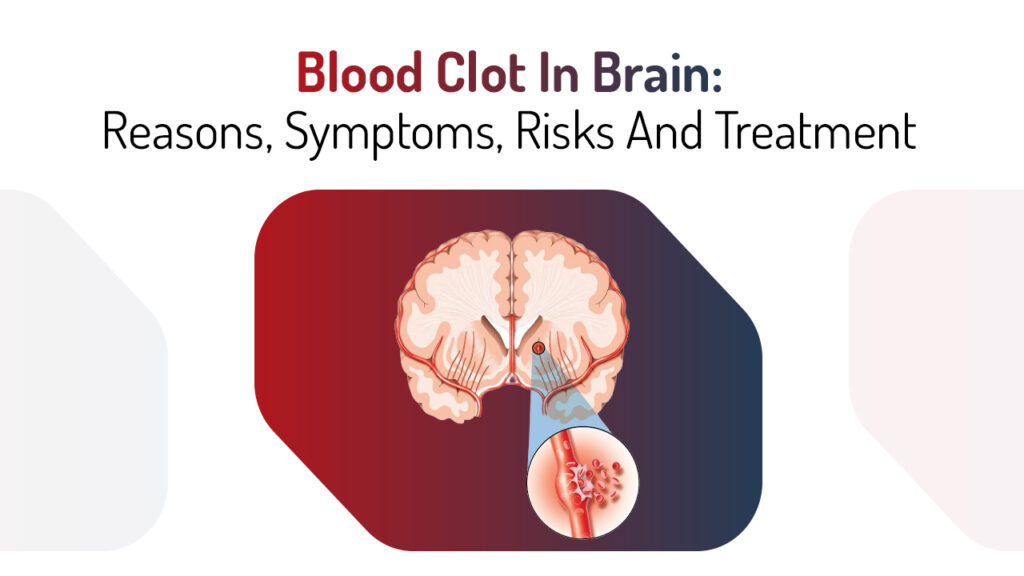
A blood clot in the brain means an ischaemic stroke. The clot blocks blood flow to a part of the brain. Once that blood supply stops, brain cells lose oxygen and start getting damaged within minutes. This is the most common type of stroke, which is why early action matters so much.
How Does A Clot Form?
- A clot can form inside a brain artery
- A clot can travel from the heart or another blood vessel
- The blocked vessel stops blood flow to part of the brain
- The affected brain area starts losing oxygen quickly
Brain Blood Clot: symptoms, risks and treatment are crucial to know even when you think no one around you is at risk.
If a family is trying to reach a neurologist in Madhapur during such a moment, the safest step is immediate evaluation. Waiting for symptoms to settle can cost valuable brain function.
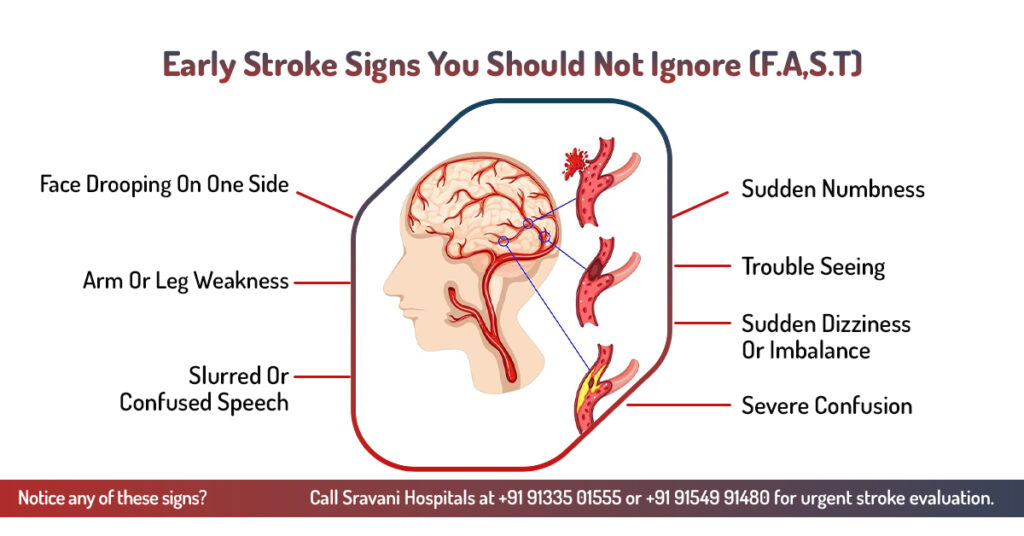
Many people reach the best neurology hospital in Hyderabad only after speech becomes very difficult or weakness gets worse. It is safer to act at the very first sign.
What Causes A Blood Clot In The Brain?
A brain blood clot does not happen without a reason. In many cases, the clot forms in a narrowed artery. In other cases, it travels from the heart and gets stuck in a brain vessel. Both situations stop oxygen-rich blood from reaching brain tissue.
Common Causes Doctors Look For
- Fatty buildup in arteries
- Atrial fibrillation or irregular heartbeat
- Blood vessel disease
- Clot travel from the heart
- Uncontrolled blood pressure
- Diabetes and high cholesterol
This is why stroke prevention does not start on the day of the emergency. It starts much earlier with blood pressure control, sugar control, heart rhythm checks, and timely neurological review when warning signs appear.
Who Has A Higher Risk Of Brain Blood Clot?
Some people carry a much higher stroke risk even before symptoms begin. Stay more alert of you have:
- High blood pressure
- Diabetes
- Smoking habit
- High cholesterol
- Obesity
- Past TIA or stroke
- Older adults
A TIA can also act as a warning sign. It may last for a short time, but it still needs urgent medical care because it can come before a larger stroke. If someone in the family carries these risks, regular follow-up with a neurologist in Hyderabad can help identify warning patterns earlier.
When Is A Brain Blood Clot A Medical Emergency?
A brain blood clot becomes a medical emergency the moment sudden stroke symptoms begin. Do not wait for the weakness to settle. Do not wait for speech to improve after rest. Time matters because stroke treatment works best early.
Some treatments work best within the first few hours after symptoms start. That is why reaching the hospital early can protect more brain function and improve recovery chances.
What Families Should Do And Avoid
| Dos | Don’ts |
| Seek Medical Help Immediately | Wait At Home And Observe |
| Note When The Symptoms Started | Let The Patient Sleep It Off |
| Keep The Patient Safe And Seated | Assume It Is Stress Or Low Sugar |
| Get Urgent Brain Evaluation | Delay Imaging And Treatment |
A quick move to the best neuro hospital in Madhapur can change recovery chances because the brain loses function with every passing minute.
How Do Doctors Confirm A Blood Clot In The Brain?
Doctors confirm a suspected brain blood clot through urgent examination and brain imaging. They first check symptoms, strength, speech, balance, and alertness. Then they use scans to see what is happening inside the brain. Main tests that doctors use are:
| Test | Why Doctors Use It |
| CT scan | checks for stroke and rules out bleeding |
| MRI brain | gives more detailed brain imaging |
| blood tests | support treatment planning |
| heart tests | help find the clot source in some patients |
- Doctors need speed and accuracy.
- The scan shows whether it is a clot or bleeding.
- Treatment depends on that result.
- Ignoring red flags and losing the treatment window time.
At Sravani Hospitals, stroke-related symptoms get routed for neurological assessment and treatment planning quickly.
What Is The Treatment For A Brain Blood Clot?
Treatment for blood clot depends on how early the patient reaches the hospital, where the clot sits, and how severe the blockage is. The main goal is simple: restore blood flow to the brain as fast as possible and reduce further damage. Main blood clot treatment options include:
- Emergency stabilisation
- IV clot-busting medicine in eligible cases
- Mechanical thrombectomy in selected large vessel strokes
- ICU monitoring and supportive care
- Medicines to reduce future clot risk
Treatment is not just one injection or one procedure. It includes monitoring, cause evaluation and planning for the next stage of recovery.
What Does Recovery After A Brain Blood Clot Look Like?
Recovery does not look the same for every patient. It depends on how quickly treatment started, which part of the brain got affected, and how severe the blockage was. Some patients improve well. Others need weeks or months of structured rehabilitation. Here’s what all is included in the recovery after a brain blood clot.
- Walking and balance training
- Hand and arm movement recovery
- Speech therapy
- Swallowing support
- Memory and attention support
Recovery also needs patience at home. The family plays a huge role by helping the patient stay regular with therapy, medicines, follow-up, and lifestyle changes.
Every Minute Counts In Stroke Care: How Sravani Hospitals Helps Patients Recover!
At Sravani Hospitals, our neurology team supports patients from urgent stroke evaluation to recovery planning. We help with symptom assessment and brain imaging. Moreover, we suggest follow up care and rehabilitation support.
If you are looking for the best neuro hospital in Hyderabad or need a neurologist in Madhapur, call Sravani Hospitals at +91 91335 01555 or +91 91549 91480 and seek urgent neurological care.
FAQs
Can a blood clot in the brain happen without warning?
It can seem sudden, but the body has risk factors in the background. High blood pressure, diabetes, smoking, or heart rhythm problems can quietly raise the chance of stroke.
Is a blood clot in the brain the same as a stroke?
In many cases, yes. A blood clot in the brain causes an ischaemic stroke because it blocks blood flow to part of the brain.
How fast should treatment start after stroke symptoms begin?
Treatment should start as early as possible. Every minute matters because early care can save brain cells and improve recovery chances.
Can someone recover well after a brain blood clot?
Yes, many patients do recover well, especially when treatment starts early. Recovery depends on the size of the clot, the brain area involved, and how quickly care begins.
When should I consult a neurologist for stroke-like symptoms?
You should not wait if someone has facial drooping, slurred speech, sudden weakness, or balance loss. See a neurologist immediately because delay can worsen brain damage.